|
Hydraulic systems are often referred to as the “circulatory system” of construction machinery; their operating condition directly affects the machine’s overall performance, operational efficiency, and service life. Industry data shows that approximately 70% of construction machinery failures are related to the hydraulic system, and more than 75% of hydraulic system failures are caused by hydraulic fluid contamination. Therefore, the proper selection and use of hydraulic fluid are critical to ensuring the stable operation of the equipment.
The Important Role of Hydraulic Fluid Hydraulic fluid not only transmits power but also provides lubrication, cooling, rust prevention, corrosion protection, and sealing. If the fluid’s performance deteriorates or it becomes contaminated, the consequences range from reduced equipment efficiency to wear on hydraulic components, system failures, and even downtime. High-quality hydraulic fluid should possess good viscosity-temperature characteristics and lubricating properties, as well as high chemical stability, oxidation resistance, rust and corrosion protection, and excellent anti-emulsification and defoaming properties. In addition, hydraulic oil must maintain a high level of purity to prevent contaminants from entering the hydraulic system. Common Types of Hydraulic Oil and Their Applications Currently, the hydraulic oils commonly used in construction machinery primarily include standard hydraulic oil, anti-wear hydraulic oil, low-pour-point hydraulic oil, high-viscosity-index hydraulic oil, as well as machine oil and gas turbine oil used under certain special operating conditions. Among these, standard hydraulic oil is suitable for medium- to high-pressure hydraulic systems operating at ambient temperatures between 0°C and 40°C and working pressures ranging from 6.3 MPa to 21 MPa; anti-wear hydraulic oil is better suited for high-pressure systems with working pressures exceeding 21 MPa, effectively reducing wear on critical components such as hydraulic pumps and valve assemblies. For construction machinery operating in cold regions or outdoors during winter, low-pour-point hydraulic oil maintains good fluidity in low-temperature environments, ensuring smooth startup and normal operation of the equipment; as a result, it is widely used in mining equipment, excavators, loaders, and other construction machinery. High-viscosity-index hydraulic oils are primarily used in operating conditions with significant temperature fluctuations, as they maintain relatively stable performance in both high- and low-temperature environments. Meanwhile, machine oils and turbine oils are often used as alternative fluids for certain low-pressure hydraulic systems; among these, turbine oil outperforms ordinary machine oil due to the addition of antioxidants. How to Select the Right Hydraulic Oil Selecting the appropriate hydraulic oil requires a comprehensive consideration of various factors, including equipment structure, operating environment, and operating conditions.
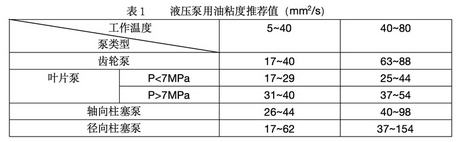
First, select the appropriate oil viscosity based on the type of hydraulic pump. Different hydraulic pumps have different viscosity requirements, and the correct viscosity ensures system efficiency and component lifespan. Second, fully consider the impact of ambient temperature. In high-temperature environments, choose hydraulic oil with higher viscosity to maintain sufficient oil film strength; in low-temperature environments, select oil with lower viscosity or low-pour-point hydraulic oil to ensure smooth system startup and oil circulation. Operating pressure is also a key consideration. For high-pressure or heavy-duty applications, it is recommended to use anti-wear hydraulic fluid to enhance lubrication and protection; for systems operating at lower pressures, standard hydraulic fluid or other suitable fluids may be selected based on actual requirements. Furthermore, when equipment actuators operate at high speeds, low-viscosity hydraulic fluid should be prioritized to reduce flow resistance and improve system response time and operational efficiency. Proper Hydraulic Fluid Management Is Equally Important Selecting the right hydraulic fluid is only the first step; daily management must not be overlooked. Regularly inspecting the fluid’s condition, promptly replacing filter elements, preventing contaminants and moisture from entering the system, and changing the hydraulic fluid according to specified intervals are all crucial measures for reducing failure rates. For construction machinery, the quality and cleanliness of hydraulic oil directly affect the operational reliability of the entire machine. Selecting oil scientifically, using it properly, and strengthening maintenance management can not only effectively reduce hydraulic system failures but also extend the equipment’s service life, lower operating costs, and ensure continuous and stable operation of the equipment.
|